





First Five Minutes In The Lobby
You open the platform on your phone, and the lobby hits you fast. Bright tiles. A lot of numbers. A chat bubble blinking. Don’t chase the shiny stuff yet.
Suppose you’re on a train in Sydney and you’ve got ten minutes before your stop. Your goal is not to win. Your goal is to learn where the rules live, where the history lives, and how the wallet labels are shown. That’s it.
Start with the boring screens. Account. Wallet. History. Then the games. If you do it in the opposite order, you end up guessing what happened later when a promo counter looks weird or a bet doesn’t show instantly.
Sign-Up And Profile Hygiene
Make the account once, then keep it stable.
Suppose you register from a laptop in Brisbane, then log in from a phone at night. That device swap is fine, but don’t change your email, password, and payout method all on the same day. That’s the kind of behavior that can trigger extra checks, and extra checks mean waiting.
And double-check the small stuff. Name spelling. Country selection. Currency display. If anything looks off, fix it early, before you have balances spread across different labels.
Navigation: Finding Terms Without Getting Lost
Clicking banners is fun for two seconds. Then it’s noise.
Suppose you see a promo tile and you want to know the bet cap. Open the offer details, take a quick screenshot for your own reference, and go back. If you can’t find terms in under a minute, stop and search inside the promo area again later on stable Wi-Fi.
Community Threads And The Australia Angle
People in Australia love to compare notes. You’ll see comments about speed, support mood, game selection, and payouts. Some are real. Some are pure emotion typed at 2 a.m.
Suppose you’re scrolling community posts while waiting for coffee in Melbourne. Don’t take a single comment as truth. Look for patterns across many posts: same issue described in different words, same kind of delay repeated, same fix suggested by different users.
Watch for the “I did everything right” line. That’s often where the details are missing. What game? What stake? What promo? What method? If the post has no specifics, treat it like a mood, not evidence.
And here’s a simple filter: posts that include a timestamp, a method, and a clear sequence of actions tend to be more useful. Rants can be entertaining. They rarely help you make a decision.
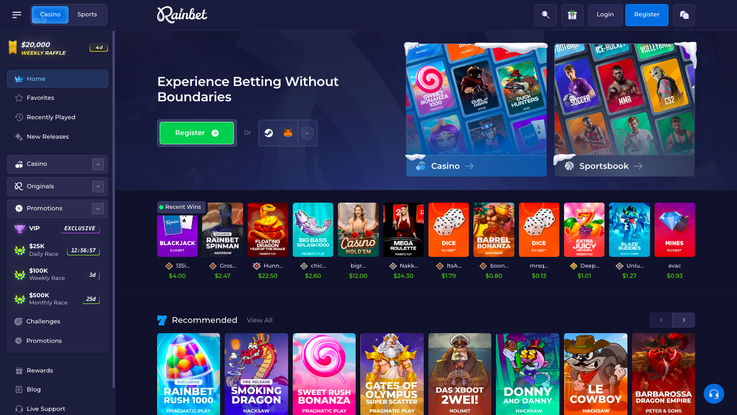
Rainbet Review
Let’s talk like a normal player, not like a brochure.
Suppose you’re in Perth, it’s late, and you just want a clean session without fighting the interface. The first question is: does the platform feel predictable? Buttons respond. Stake controls are clear. History updates in a way you can understand without detective work. When a casino feels predictable, you relax. When it feels jumpy, you tilt.
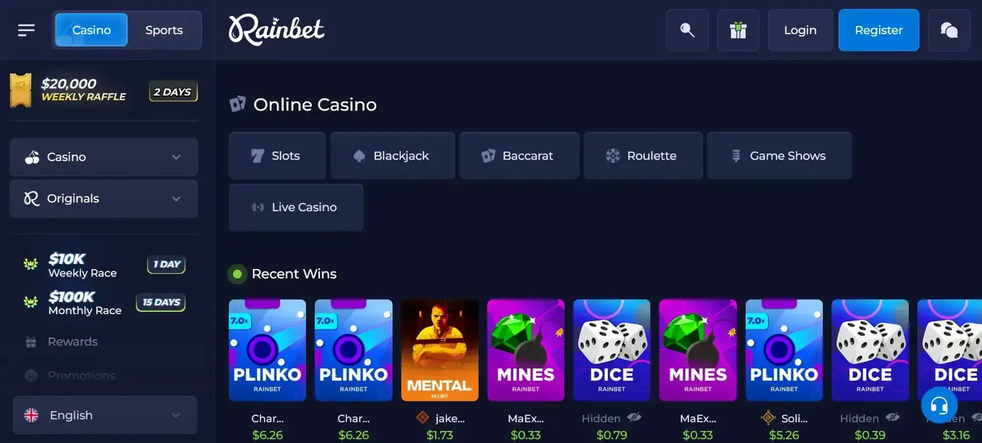
Second question: does it respect your time? A good lobby helps you find your last played game fast. It shows recent bets. It shows whether a promo is active. If you have to dig through five screens every time, you’ll hate it in a week.
Third question: does the promo logic match what you see? Some platforms show multiple balance buckets. That’s fine, but it must be obvious which bucket is used for which bet. If you can’t tell, you’ll end up confused about why a cashable balance didn’t move.
Fourth question: what happens when you stop playing? That moment matters. You exit a game, open history, and verify entries. If entries appear clearly with times and amounts, good. If they appear late or inconsistently, you need a habit: small blocks, exit, verify, repeat.
Fifth question: how does it behave on mobile data? Australia has strong networks, but you still get dead zones. Suppose you’re outside, switching between 4G and Wi-Fi. The platform should not throw you into weird loops or lose your session every two minutes. If it does, you either stick to Wi-Fi or you accept that mobile play needs shorter blocks.
Quick Pros And Cons Without The Hype
Pros tend to be practical: clean layout, a wide mix of games, fast switches between sections, and clear history. When those things work, everything else feels easier.
Cons tend to be the classic ones: promo terms that punish careless stake jumps, occasional delayed tracking, and support that depends on how clean your message is. If you write chaos, you often get chaos back.
Games, RTP Feel, And Session Flow
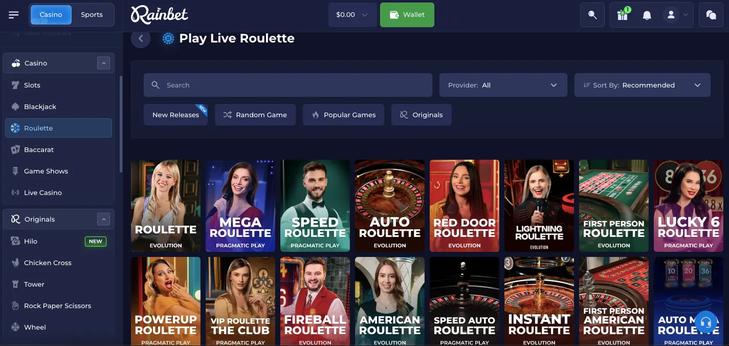
Game selection is not only about quantity. It’s about how quickly you can find the kind of session you want.
Suppose you want a short slot run in Adelaide. You open a slot, check stake controls, spin a few times, and exit. The key thing is whether the stake stays where you set it and whether the UI makes it hard to misclick. A busy interface can cost you money in a dumb way.
If you prefer live tables, the real test is stability. You don’t want constant reconnects. You also don’t want audio controls hidden behind three taps. A smooth live session is less about “wow” and more about “it just works”.
Then there’s the “feel” of RTP and variance, which people love to argue about. Don’t trust feelings after five minutes. Track your own sessions in tiny samples, then stop. You’ll learn more from a calm log than from a hot streak story.
Sportsbook Vs Casino: Switching Modes Fast
Some players bounce between sports and slots in one sitting. That can be fine, but it’s risky if you’re chasing.
Suppose you place a sports bet, then jump into a slot while you wait. Keep them separate in your mind. Different rhythm. Different triggers. If you treat them as one big session, you lose track of what you’re doing.
A simple rule: after any sports bet, take ten seconds, look at your open bets, then decide if you still want casino play. Ten seconds sounds tiny. It changes your behavior a lot.
Slots And Live Tables: Practical Picks
Start with simple slots when you’re testing a platform. Fewer pop-ups. Clearer stake control. Less chance of a surprise side-bet.
Suppose you’re new and you want to try a live table. Pick one with stable video and a calm pace. If you jump into the fastest table first, you’ll make mistakes, then blame the platform for your own panic.
And don’t ignore game rules. A small misunderstanding can make you think something is “rigged” when it’s just the rules doing their job.
Promos, Wagering Rules, And Reality Checks
Promotions can be good, but they’re not gifts. They’re deals with conditions.
Suppose you see a bonus tile and your brain goes “free money.” Stop. Read the bet cap, the allowed games, the conversion rule, and the cashout limit. If you skip any of those, you’re basically signing a contract blind.
Watch the stake cap like it’s a speed limit in a speed camera zone. Don’t sit right on the edge. Stay below. Mobile thumbs slip. Quick-bet toggles jump. One accidental high stake can break eligibility.
Also, track expiry windows. A promo that ends tonight should not turn into a rushed session where you raise stakes to “make it worth it”. That move ends badly for most people.
Bonus Wallet Labels And Bet Caps
Many platforms separate balances into buckets. That’s not scary, it’s just accounting.
Suppose your wallet shows “cash” and a second label for promo value. Make one tiny spin, exit, and see which label changes. That tells you which funds are being used. Keep doing this any time you switch games.
If you ever feel unsure, pause and verify. Two minutes of checking saves hours of arguing later.
Cashier, Withdrawals, And Processing Rhythm
Money pages should feel boring. If they feel confusing, slow down.
Suppose you want to deposit from Australia and you’re choosing a method. Don’t start with the biggest amount. Do a small test. Confirm the deposit shows in history with the correct timestamp. Then stop and breathe. You’re testing the pipe, not flooding it.
Withdrawals have two clocks: platform processing and provider settlement. Platform processing can include checks tied to identity, device behavior, and promo conditions. Provider settlement is the external step that can vary based on the route you picked.
Keep your payout identity consistent. Same name. Same details. Don’t change your profile the day you request a payout. That’s like changing your address while a parcel is on the truck.
Now a practical comparison table. It’s a way to think, not a promise of speed.
Route Type | Best For | What To Verify First | Common Slowdown |
|---|---|---|---|
Bank Card | Small funding tests | Status label in history | Holds and reversals |
Bank Transfer | Larger cashouts | Name match, bank details | Manual review |
E-Wallet | Clear tracking | Receipt timestamp | Extra confirmation |
Crypto Option | Flexible transfers | Network selection | Chain congestion |
Voucher Deposit | Budget control | Deposit record | Cashout needs another route |
A Simple Timeline That Helps You Stay Calm
Suppose you request a payout on a weekday morning in Sydney. The smart move is to check status once, then walk away for a while. If you stare at the screen and refresh every minute, you just stress yourself.
Come back later, check history, and check any message area for requests. If the platform asks for something, respond once with clean details. Not five messages. One.
If you don’t see movement after what feels like a long time, don’t guess. Provide a timestamp, method, and amount to support. Clear facts travel faster than emotion.
Common Friction Points And Fixes
The biggest friction is mixing methods and changing details mid-stream.
Suppose you deposit with one method, then request a payout to a different route right away. That can trigger extra checks. Keep it simple. One route at a time until you understand the system rhythm.
Another friction point is promo conditions tied to wagering. If you used promo value, confirm you met the requirements before you request a cashout. If you’re not sure, stop and ask support with your timestamps and wager history.
And don’t ignore small red flags like mismatched currency display or missing history entries. Fix the small stuff early.
Support, Safety Tools, And When To Walk Away
Support is not magic. It’s a process. The faster you give clean information, the faster you get a useful answer.
Suppose you’re frustrated after a session. Take a breath. Then write one short message: what you did, when you did it, what you expected, what you saw instead. Add the key screenshots: offer terms, wallet labels, history entry. That’s it.
Look for safety tools too. Limits, breaks, self-exclusion options. Use them when you feel the session turning into a chase. Chasing feels like “fixing”. It’s not fixing. It’s feeding the loop.
And make a rule for yourself: never play when tired, angry, or trying to win back a loss. If you’re in that mood, log out. Simple.
Support Tickets That Get Read Fast
Suppose you’re sending a ticket from Brisbane. Start with the timestamp and the method, then the short story. No sarcasm. No essays. One clean paragraph and your screenshots.
If you get a generic reply, don’t explode. Reply with one extra detail you missed the first time. Keep it tight. You’re building a chain of evidence, not starting a fight.